Showing posts with label Yiddish. Show all posts

Sunday, January 15, 2017

Much , Much More Funnier In Yiddish


Yiddish is a language with words derived primarily from German, Hebrew, and Aramaic.

When someone wants to know if you speak Yiddish, sometimes, they just say, “Do you speak Jewish?”

Many of the Yiddish words are popular and have become commonplace in our communications now-a-day.

One of my friends used to say, “Jokes are always funnier in Yiddish.”

And sure enough, there is something about Yiddish words, pronunciations, and nuances that make getting a point across very potent and at the same time, quite humorous.

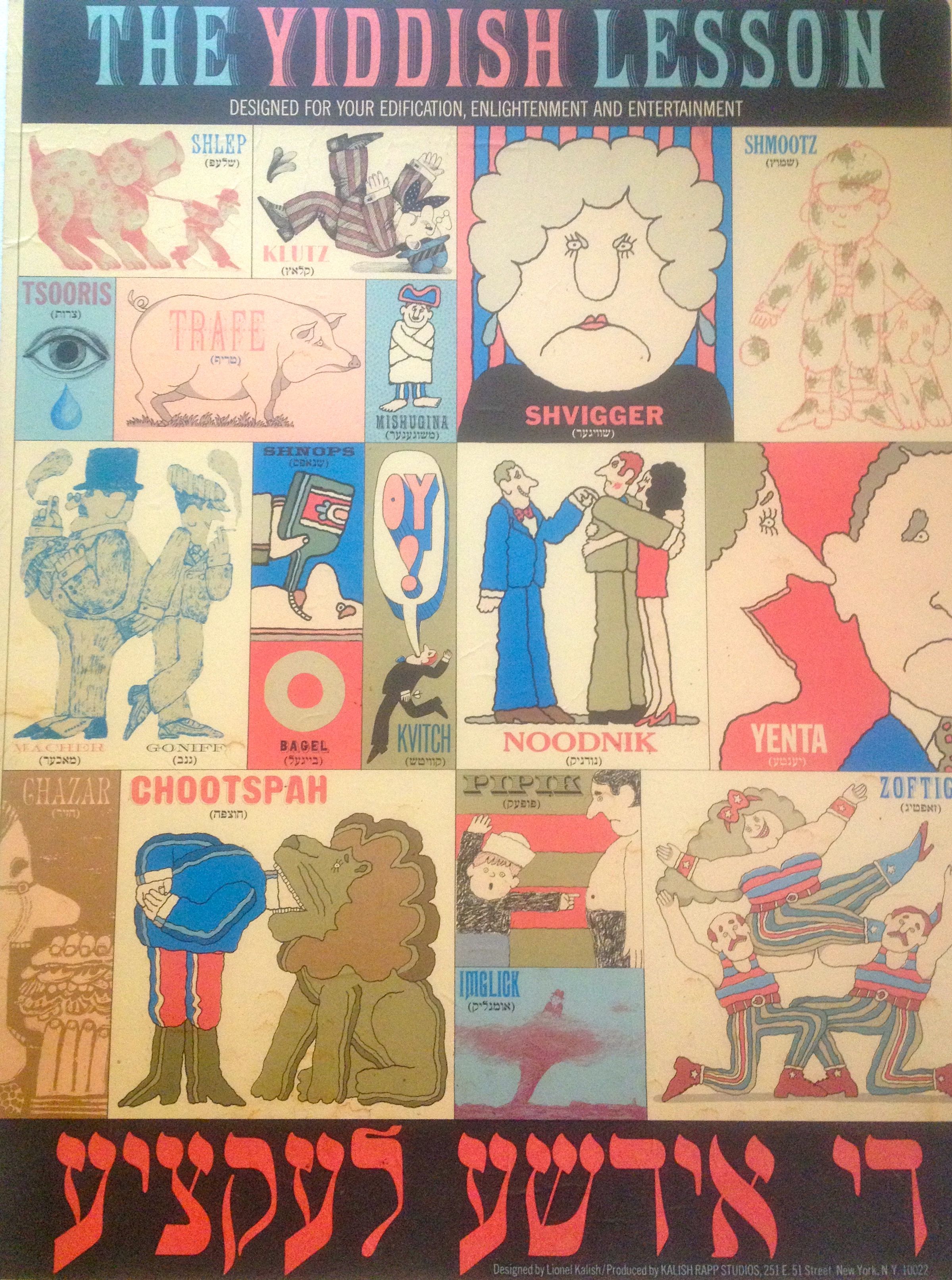
Take the words on this eduational Yiddish poster–it’s like the Yiddish words just sound like and makes perfect sense for what it is (see how many you recognize):

– Bagel – Bagel
– Chazar – Pig
– Chootspah (chutzpah) – Gall
– Gonif – Thief
– Imglick – Luck
– Klutz – Clumsy
– Kvitch (kvetch)- Complainer
– Macher – Big shot
– Mishugina (mashugana) – Crazy
– Noodnik – Annoying
– Pipik – Belly Button
– Shlep – Lug
– Shmootz – Dirt
– Shnops (schnapps) – Liquor
– Shvigger – Mother-in-law
– Trafe – Unkosher
– Tsooris – Problems
– Yenta – Talker
– Zoftig – Fat

There is one more word not on the list here that is probably recongizable and that is a “shmuck,” which refers to a contemptable person, but literally refers to a man’s private parts–ah, maybe that’s why it’s not on the picture poster.

Thursday, October 27, 2016

My Yiddishe Momme (sung in yiddish) Regine Zylberberg


My Yiddishe Momme ( Mein Yiddische Mame)
Regine Zylberberg - vocal

A Idishe mame, 
Zi makht dokh zis di gantze velt, 
A Idishe mame, 
Oy vey, vi bitter, ven zi felt, 
Ihr darft dokh danken Got, 
Vus Ikh hot ihr nokh bay zikh. 
Oy vey, vi troyerik zu sein. 
Ven zi geyt avek tzu gikh 
In vaser in fayer 
Volt zi gelofn far ir kind. 
Nisht hubn zi tayer, 
Dus is gevis di greste zind. 
Oy vi gliklekh un raykh 
Iz der mentch, vus hot 
Aza shayne metune geshenkt fin Got, 
Nuch an altishke Idishe mame, 
Mame Mame mayn!

Translation:

The Jewish mother makes the world sweet. 
A Jewish mother, how bitter life is when she is not there. 
you must thank God that she is still with you. 
How sad to be when she passes away too soon. 
She would run through fire and water for the sake of her child. 
It is the worst of sins not holding her precious. 
Happy and rich is the man who has got this beautiful gift of God,
to have still an old Jewish mother
Mother Mother of mine

Regine Zylberberg.- French chanteuse. Born on December 26, 1929 in Belgium to Polish-Jewish parents.

ANECDOTE: " My Yiddishe Momme"

"My Yiddishe Momme" was originally written in 1925 by Jack Yellen as a 
personal tribute to his mother who 
recently had died. A few years later he asked Lew Pollack to work on the melody with him, and eventually the song credits read JACK YELLEN (words)
JACK YELLEN and LEW POLLACK (music).

"On an impulse" he told David Ewen "I 
called up Sophie Tucker at the Claridge Hotel in New York. She bawled me out for
spoiling her sleeping pill, but she 
listened, and when I finished singing ,
she was weeping. Between gulps, she 
asked me to send her a copy. She wrote
me that her agents and friends suggested
the title be changed to "Jewish" or
"Hebrew mother", being afraid of the
word "Yiddish". I told her that if she
sang it, it would be "Yiddish Momme" or
nothing at all, and what is more; I
insisted that she should sing the chorus
in yiddish, the way I had written it.

THE 1928 disk that sold a million copies
was two-sided, with the english version
on one side and the Yiddish on the other. The accompaniment was by Ted Shapiro, who worked with Sophie for forty-six years, up to her death, and wrote much special material for her.
Sophie introduced the song initially at the Palace Theatre in New York in 1925 to a standing ovation."".

Title: A Yidishe Mame -- אַ ייִדישע מאַמע
Also known as: Yidishe Mame
Also known as: Mayn Yidishe Mame
Also known as: My Yidishe Mame
Author: Yellen, Jack
Composer: Yellen, Jack
Composer: Pollack, Lou -- פּאָלעק, לאָו
Genre: Nostalgia/Family
Subject: Mother/Constancy/Devotion/Immigration

Paris sous l'Occupation- June 14, 1940.
"in June 1942, all
Jews over the age of six living in the occupied zone were ordered to wear a 
yellow star of David marked with the word "Juif," meaning Jew.".

On November 9th, 2008 jews all over the
world will mark the 70th anniversary of
Kristallnacht, 1938. Synagogues burned,
jewish owned stores destroyed, books on fire. Many jews arrested. It was what
many have described as the begining of the holocaust....

My Yiddishe Momme- sung by Regine Zylberberg was featured in the french
film Mazel Tov ou le mariage (1969)
( English title: Marry Me, Marry Me )
directed by Claude Berri.
Идиш idiş

Linguischtiks mishmash slang of Hebrew, Yiddish and English for beginners

Image result for Yiddish quotations
Many English words in current usage are derived, of course, from Jewish culture —“shmuck,” “schmooze,” “kvetch,” to name but a few. You might be surprised, however, to find that other words and phrases in our lexicon–terms that you might have assumed were English in origin–are also derived from Yiddish or Hebrew. Here are a few examples of these modern “English” words, along with the obscure original Jewish terminology from which they come, their original definitions, and examples of how these ancient words might once have been used in sentences two, three, or even four hundred years ago.
ABYSS – n.  (Yid. abiss) A little bit of a bottomless chasm.  “Sol just fell into abiss, he’ll be right back.  Well, maybe not right.”
BENCH – n.  (Yid. bensch) A decent human being upon whom people sit.  “My cousin Malachi, such a bensch the way he gets on all fours so we have enough seating for the seder.”
CAVORT –  vb. (Yid. kvort) To complain while frolicking merrily.  “Such fun this would be if only my back wasn’t killing me, and do they have to play the music so loud?” “Would you listen to Naomi?  Kvort kvort kvort!”
CHANCRE – n.  (Yid. schanker) A sore in one’s mouth so large it brings shame to the family.  “Such a schanker!  Close your yap when we meet the rabbi!”
CHEMISE – n.  (Yid. schmeez) A jerk wearing lingerie.  “Tell your pervert girly-man brother he should put on maybe a robe.  What a schmeez!”
CUPOLA – n.  (Yid. kyupellah)  A small carnival doll sometimes unwisely used to construct domed ornamental rooftops.  “What are you nuts, building a roof out of kyupellahs?  It leaks like a sieve in here!”
DREADLOCKS – n.  (Yid. dreadlox)  Smoked salmon so old it’s growing mold long enough to braid.  “You’re gonna eat that dreadlox?  It looks like a Hassid’s face!”
FEDORA – n.  (Heb. fedorah)  Ceremonial men’s hat set afire to celebrate Hannukah.  “Hannukah, Hannukah, come light the fedorah!  We’ll have a party and —  hey!  Put out my hat!”
FISH STICK  n.  (Yid. fischtik)  Comedy routine performed with processed seafood.  “This fischstik is supposed to be funny?  Pass the tartar sauce.”
GARNISH – n.  (Yid. garnishe)  Nothing, but it’s on the side of your plate anyway.  “I order the tuna and what do I get?… garnishe!”
GONDOLA – n.  (Yid. gondellah) A small thief floating in a canal.  “Let’s take the ferry, that gondellah doesn’t look big enough to stand on.  Plus, I think he stole my purse.”
KINDLING – n.  (Yid. kindling)  Children small enough to fit in a fireplace.  “Uh-oh, we’re out of wood.  Hey, here comes some kindling…  C’mere and hold still, you!”
LATCHKEY – vb.  (Yid. lachky) To dawdle while trying to open the door.  “You want to lachkyaround all night or you want to let me in already?”
NOZZLE – n. (Heb. nazel) The act of being squirted by a hose, but it’s a lucky thing.  “Hey!  Watch where you’re pointing that… Ooo, y’know, that feels nice.  Have I got all the nazel or what?”
PSORIASIS – n. (Yid. tsuriazes)  Personal tragedy so intense one’s skin flakes off.  “So my wife dies in bed with my brother who stole the shekels I borrowed from a moneylender… such tsuriazes I got!  Sheesh, did part of my face just fall off?”
RUCKUS – n.  (Yid. ruches) Buttocks which create a noisy disturbance.  “Hey, it’s three in the morning!  Hold that ruches down, and a tunic over it wouldn’t hurt either!”
SHAMU – vb. (Yid. schmoo) To chat socially with a killer whale.  “You’re wasting your time schmooing him?  What, he’s gonna give you a job holding fish?”
SPELUNKER – n.  (Yid. spielunker)  A man who tries to promote himself or his products from inside a cave.  “No, I don’t want to buy a pick or a lantern!  Now stop hondeling me, you goddamn spielunker!”
STOCKBROKER – n. (Heb. schtochbrucha) A blessing said over one’s investment portfolio.  “And now let us say the schtochbrucha:  Baruch Atah Adonai Eloheinu Melech ha’olam Borei peri Judean Harvester Limited.”
STOOP – vb. (Yid. schtoop) To have sex while in a crouching position.  “So you wanna schtoop?  Oh, who am I kidding, with my back?”
STRAFE – vb. (Yid. streyf) To attack from above with a bombardment of non-kosher foods.  “You want we should streyf you?  Take that!  I hope those shrimp give your whole army a pain!”
ZITS – vb. (Yid. zitz) To strike with a teenager’s face.  “If my nephew was here and I could lift him up, I’d give you such a zitz!”


Tuesday, August 30, 2016

A Yiddish Farewell to Gene Wilder Baruch Dayan Emet


A Yiddish Farewell to Gene Wilder


An English translation of a wonderful scene from ‘The Frisco Kid.’

2016 once proves itself to be a banner year, when we learned today of the passing of Gene Wilder. He was 83, but DANG is it sad.
Gene Wilder-One of the truly great talents of our time. He blessed every film we did with his magic & he blessed me with his friendship.
God. It’s just. The saddest thing.
Well, what we have to remember him for is a lot of laughter. We could literally just sit here all day and throw Gene Wilder moments back and forth. But this is Jewcy, so let’s pick just one that is particularly Jewish.
Remember The Frisco Kid? It’s a wholly underwatched, underrated 1979 comedy-adventure flick where Wilder plays an immigrant rabbi trying to schlep across the wild west with a bank-robbing, drop-dead-gorgeous Harrison Ford as his companion.
Once again, picking one moment from this film to share is impossible. The movie is so unapologetically Jewish, from the rabbi’s insistence to not ride a horse on Shabbos (even with a posse on his tail), to his absolute devotion to the Torah scroll he’s meant to bring to San Francisco. So here, for good measure are links to a scene where he tries to explain Jewish divinity to Native Americans, and one where Harrison Ford teaches him, well, colorful American language.
But for our featured clip, we’d like to remind you that Wilder belongs on the list of Jewish actors you may have forgotten spoke Yiddish onscreen (remember Doris Roberts in Hester Street?). Wilder’s rabbi has become lost and destitute, when spotting a group of men with beards wearing black hats, he attempts to talk to them in what he assumes is their native language. They turn out to be Amish.
The clip is only online subtitled in Hebrew and Arabic, so we’ve included an English translation (admittedly mostly from the Hebrew), below:
Wilder [in Yiddish]: “Landsmen [Yiddish word for compatriots, brothers, of my people, etc.]! Landsmen! HELLO! Landsmen! Landsmen! Hello! Landsmen— God! God! Thank God that I found you! Something terrible and awful happened to me! I was on my way to San Francisco and horrible bastards robbed me! They almost killed me!”
Amish men [In Pennsylvania Dutch]: “What did he say?” “I can’t understand any of it.”
Wilder [Yiddish]: “What’s the matter? You don’t understand Yiddish?”
Amish Men [Penn. Dutch]: “Is he speaking German?” “No, it’s not German… Do you speak English?”
Amish Man [In English]: “Dost thou speak English?”
Wilder [In English, noticing Christian Bible]: “Dost… thou… speak… OY GEVALT!”
Still from The Frisco Kid via Google+.


Tuesday, August 9, 2016

Sure , you can say it in English but Yiddish is so much more colorful ...New Yiddish for Millennials


Sure , you can say it in English but Yiddish is so much more colorful ...New Yiddish for Millennials.New words for today's young and fast-moving generation.


Ever since Leo Rosten turned the world onto Yiddish, English-speakers have delighted in our Mama-loshen with its majestic ability to turn a word or phrase into a thesaurus of joy, misery, sarcasm, humor, and truly hysterical curses with a relish that few other languages can match. What other language has 100 words for “idiot?” There’s the polite idiot, the grubby idiot, the greedy idiot, the clumsy idiot … to the idiot who can win a Nobel prize but can’t close his sneakers – with Velcro.

So, do we keep up with the times? Rosten referred to “Yinglish” and “Ameridish.” Do I know the difference? Do you? Write me. I read it 1,000 times, showed it around, did massive research, and to settle it once and for all, I call it “Yinglidish.” As Yinglidish is, or could be growing, I felt it was my duty to add new words for Jewish Young Adults (JYA’s) … to get with their need to “shorten.”


Face it. Between txtesing, tweeting, IMimg and SMShing not one person under 30 can say a whole word in any language without ROFLing. (In a few years, not only have we reduced millions or words to maybe seven abbreviations, but GenZ will lose the power of speech altogether. The good news is, they’ll have palms that can double for catcher’s mitts.)
In my never-ending quest to keep pace, the following are new words I created, whether by “combining,” hyphenating, compounding or portmanteau-ing that I hope will keep Yinglidish alive even when we’re mime-aloshening.
Mamaloshen for Millennials
WORD: MEESMENSCH
ORIGIN: Meeskite and mensch
MEANING: A wonderful person who isn’t so good-looking.
USAGE: “OK, Milton, so a Natalie Portman she isn’t. Ah, but a personality? She volunteers 36 hours a week studying with the Matzo Preservation Society to keep our bread of affliction from crumbling and adding to Global Warming. She is some meesmensch!”
OTHER WORD FORMS EXAMPLES: Meesmenschen, Meesmenschly, Meesmenschesque

WORD: SHVIMCHA
ORIGIN: Simcha and Shvitz
MEANING: A joyous occasion that: 1.) took such work for so long one could plotz; 2.) that caused so much fighting and tsouris, one could also plotz.
USAGE: “Thank God the Bar Mitzvah was a success! Eight caterers backed out, the Shul was booked up until our Benjamin was 16, so we had to wait for a cancellation! The bubble machine we rented kept flooding! And would you believe the cake arrived saying: ‘For Ben On Your Christening!’ This was some shvimcha!
“Oy. Tante Bella threw a fit at the Chasseneh because she was seated next to Cousin Mendel, who she had a fight with the week before! The bubbes didn’t stop kvetching about the food! The family – 20 people from Boca – brought 10 more people! A monsoon hit Brooklyn two hours before, 50 people didn’t show up and we still had to pay for their chickens!”
OTHER WORD FORMS EXAMPLES: shvimchful, shvimchad, shvimchaphy
 WORD: BUBBCHIKEL
ORIGIN: bubbe and chik (Yid. Diminutive Suffix)
MEANING: A grandmother who’s turned 60 into the new 30.
USAGE: “Do you believe Bella since her tummy tuck never mind the Botox? With four grandchildren yet. She’s some bubbchikel!”
OTHER WORD FORMS EXAMPLES: bubbschikels, bubbchikelism, bubbchikelshtikl

WORD: HORA-FIED
ORIGIN: Hora and Fied
MEANING: That gruesome moment when the group is happily doing the Hora … and two rotten dancers get in the middle of the circle and try to do a duo.
USAGE: “Oy vey … the ambulance just came! The paramedics think Uncle Morris may have a dislocated knee and Uncle Yankel, a twisted ankle. I was hora-fied when I saw two 80-year-old men trying to kick with the same foot at the same time!”
OTHER WORD FORMS EXAMPLES: hora-fy, hora-fyable, hora-fytion

WORD: CHALLAHCHAZZER
ORIGIN: Challah and chazzer (pig/greedy)
MEANING: This is the person who, on Shabbat, at the shul Kiddush or on holidays, grabs the challah and tears a piece so big, it could feed all 3,300 Jews in Kazakhstan.
USAGE: “Pssst. Did you see Levine? What he did? Again with the challah? Stuck his hand in and took the best bumps – all of them! He is a challahchazzer or what? Maybe we should report him to the Rabbi for challahchazzing. It must be a sin somewhere.”
OTHER WORD FORMS EXAMPLES: challahchazzing, challahchazzeration, challahchazzeretic

WORD: BEGALLY
ORIGIN: Bagel and Bialy
MEANING: No, it’s not an Irish introjection, but a simple, shorter way of saying one wants a mixture of bagels and bialys.
USAGE: “Sol darling, when you go to the ‘appetizing’ make sure with the lox you also get begallys.”
OTHER WORD FORMS EXAMPLES: begallys, begallyless, begallyphile

WORD: HAYMSHIKK
ORIGIN: Haymish and Shikker
MEANING: A lovely, down to earth person when he’s not “Schnappsing.” (Think Haymitch in The Hunger Games.)
USAGE: “Listen Hannah, he’s a bit of a haymshikk. The terrific news is, he’s a doll three time a year! But darling, do Purim … alone. Maybe go to a fascinating faraway place, like Laos for a month, maybe two.”
OTHER WORD FORMS EXAMPLES: haymshikkism, haymshikkness, haymshikkaholic

WORD: MITZMACHAH
ORIGIN: Mitzvah and macher
MEANING: A person who is or thinks he is the God of Mitzvahs and wants everyone to know it.
USAGE: “So Haim, are you going to the testimonial dinner for Fliegelmeister?
“It’s 300 a plate.”
“Well, he did donate 10 million for the Advancement of Israeli Chick Peas. I hear there’ll be a sculpture of him – in hummus.”
“The man is such a mitzmachah! If he’s that terrific, why does he need so many character witnesses?”
OTHER WORD FORMS EXAMPLES: Mitzmachahment, Mitzmachally, Mitzmachaya

WORD: KLOOGLED
ORIGIN: Kloolye (curse) and Google
MEANING: 1.) A Google glitch; it’s annoying; or crashes all by itself; 2.) When Googling becomes (God forbid) an addiction.
USAGE: “I’d look it up to prove to you I’m right and you’re wrong, but my Mac is currently kloogled.”
“David, darling, stop already with the computer before you become kloogled. I don’t think my KrankKare covers that. Irving! Get the policy!”
OTHER WORD FORMS EXAMPLES: kloogle, kloogling, klooglency

Should you too, suffer from Meshugling, and wish to add to my mission, by all means suggest away!
Stephen Darori  . Contact me via Facebook or Linkedin or Emai : stephendarori@hotmail.com
Saturday, June 25, 2016

Wanna quick Yiddish lesson? Say ' a herring is a fish''....

Image result for Quick Yiddish lesson
Want a quick Yiddish lesson? Say, "a herring is a fish" while pretending to read this:  אַ הערינג איז אַ פֿיש
And use this guy's accent:


You just read a Yiddish sentence meaning... a herring is a fish.

To explain, let's take a step back: As the Jewish diaspora spread through various parts of Europe, their move away from Hebrew as a spoken everyday language paralleled the change of Latin and Old Church Slavonic into Liturgical languages. Hebrew was too holy to be used to talk about milking cows and the cost of lumber.


So, the Jews  developed a version of their local languages to use as their own wherever they ended up. Yiddish is the language used in Central and Eastern Europe. By comparison,Ladino is what they spoke in Spain (e.g., check out the Ladino Hannukah song, Ocho Kandelikas)


Back to Yiddish, it ended up a bit of a mishmosh of languages (Scholars Debate Roots of Yiddish, Migration of Jews) combining not only Hebrew with German, as the other answers have noted, but also Slavic (particularly for Eastern Yiddish, spoken around Russia). In fact, the vocabulary is about 85% German, 10% Hebrew and 5% Slavic. The word Yiddish comes from the German for Jewish: Yid + ish.

The grammar, though, is almost 100% German, or more specifically Germanic. So, Yiddish is a branch of the High German language family. As you may know, English is a also Germanic language, which explains why the phrase a herring is a fish means the same thing in English and Yiddish.

As for the writing system, the learned, of course, still spoke Hebrew in shul or yeshiva (school) and even the illiterate would pray in Hebrew, so Hebrew was a constant influence. Indeed, the Hebrew writing system, known by the literate, was used and modified for writing Yiddish. 

It had to be modified because the sounds are Hebrew and German different and the sounds of German are used. The grammar is different, too, so the Semitic trilateral root, a key part of the grammar, was abandoned in favor of German inflection. The semitic vowel system, related to this grammatical part of the language, was replaced with a different method for writing vowels.

The Holocaust decimated the Yiddish-speaking population, a population that had existed for almost 1,000 years. Those that weren't killed moved to places where Yiddish wasn't relevant. So, Yiddish experienced a precipitous decline. My grandparents' 1st language was Yiddish. My parents knew a little. And I know a few dozen phrase and words. 

But just as Jews are moving back to Germany, so, too, are people starting to use Yiddish again. Some Orthodox Jews in the US, esp. in and around Brooklyn, use Yiddish as a first language - even the kids. The Daily Forward, the paper my grandfather read, still publishes a Yiddish version online and in print: The Yiddish Daily Forward

...though biweekly and not daily.

Time will tell if Yiddish experiences a true revival as a native language, or whether it becomes an interesting historical footnote of Jewish history.

Monday, April 18, 2016

Fusion Cuisine with Matza and Imagination.... The Passover Paradox? No, Read on .....


Reprinted with permission of Amy Kritzer. What Jew Wanna Eat .This Áint yo Bubbe Blog. Amy asked me to add that at 43 she is still single ( never married) and would love to change her status asap.It seems that you have to be less talented, less lovely to catch your Besheret....

"Bubbe" is the Yiddish word for "Grandmother." Bubbe's grandson Avrom introduces each show declaring that "Bubbe" is one of the three words he needs to know when he is hungry and looking for Kosher food. The other two are "'Feed Me'" . Isn't that cute? 

Feed Me Bubbe is a Jewish cooking show that is produced on a shoestring budget. "Bubbe" is the Yiddish word for "Grandmother." Bubbe's grandson Avrom introduces each show declaring that "Bubbe" is one of the three words he needs to know when he is hungry and looking for Kosher food.

The series is produced by Chalutz Productions (so called because Chalutz is Hebrew for "pioneer"). Feed Me Bubbe is part of the new trend in podcasting known as "Vodcast."

Being mentioned in British newspapers, as well as Avrom and Bubbe being guests or highlighted on many other podcasts, has led to Feed Me Bubbe quickly gaining a wide audience and becoming noted.

In each episode Bubbe introduces a recipe, teaches how to cook it, and shares stories from her past; also included is a feature entitled "Yiddish Word of the Day," in which Avrom learns a new Yiddish word from Bubbe. A more recently added segment—"Ask Bubbe"—features Bubbe answering viewer questions and feedback.

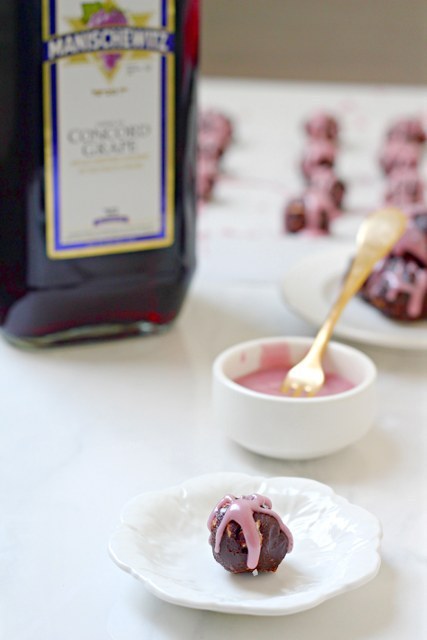
1. Dark Chocolate and Sea Salt Matzah Truffles with Manischewitz Glaze


Dark Chocolate and Sea Salt Matzah Truffles with Manischewitz Glaze
Amy Kritzer / Via whatjewwannaeat.com
What’s Passover without Manischewitz!? Find the recipe here.

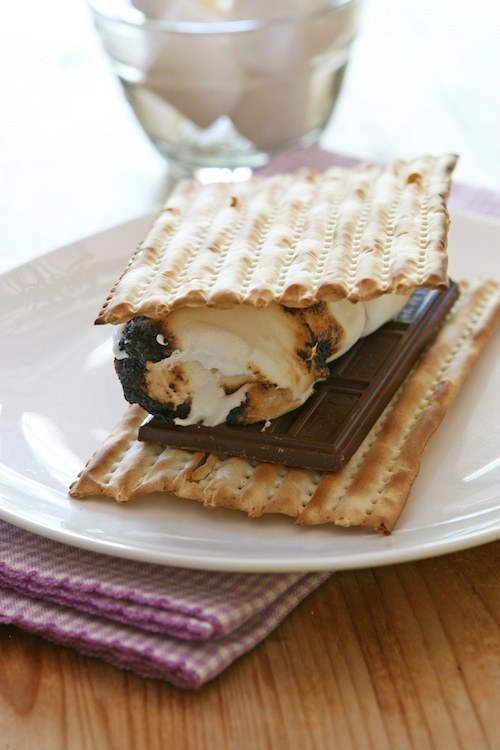
2. Passover S’mores

Passover S’mores
Alison Lewis / Via ingredientsinc.net
Replace the graham crackers with some matzah! Find the recipe here.

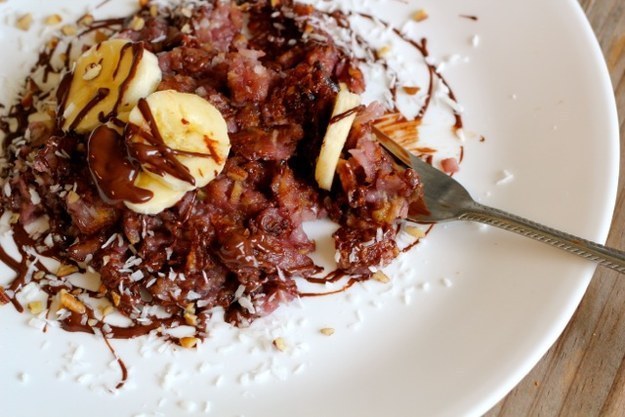
3. Dark Chocolate Coconut Banana Vegan Matzah Brei

Dark Chocolate Coconut Banana Vegan Matzah Brei
Amy Kritzer / Via whatjewwannaeat.com
Turn tropical this Passover! Find the recipe here.

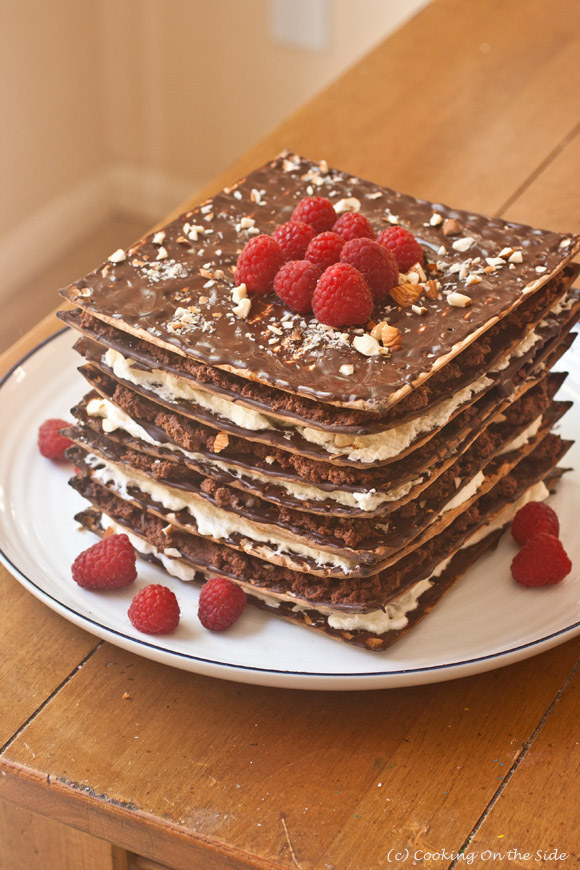
4. 9-Layer No-Bake Matzah Cake

9-Layer No-Bake Matzah Cake
KATHY STRAHS / Via cookingontheside.com
No bake is the best! Find the recipe here.

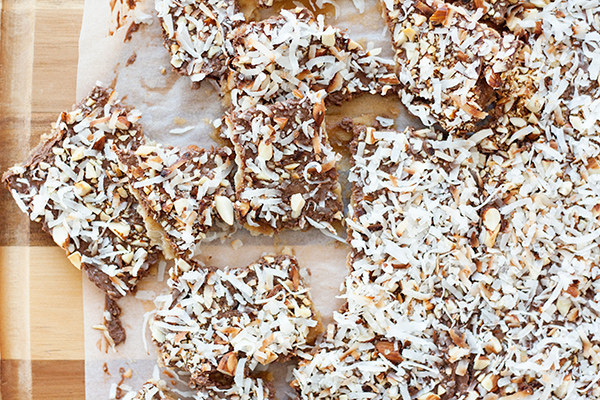
5. Toasted Coconut & Almond Matzah

Toasted Coconut & Almond Matzah
Anne / Via oneshetwoshe.com
A Passover classic. Find the recipe here.

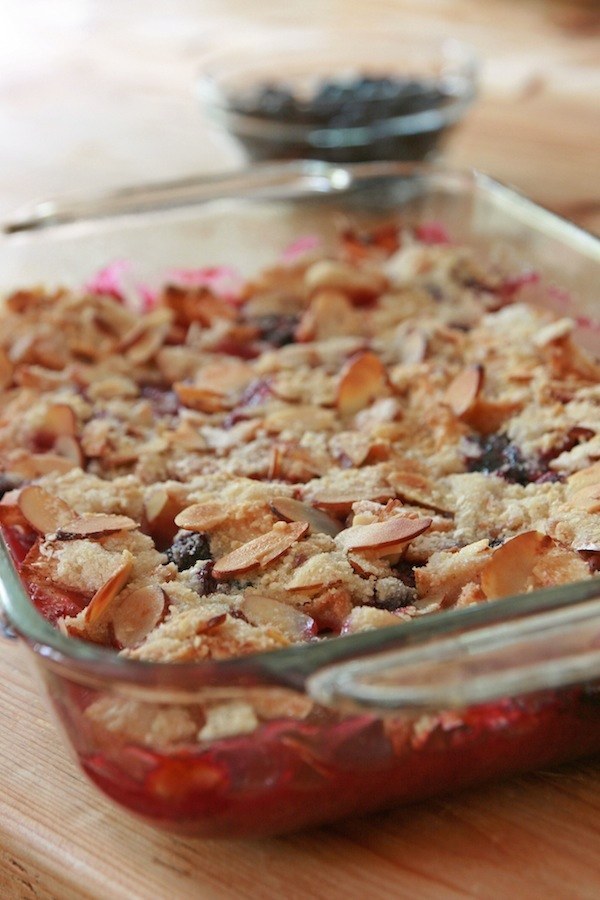
6. Passover Berry Crisp

Passover Berry Crisp
Alison Lewis / Via ingredientsinc.net
So many berries!! Find the recipe here.

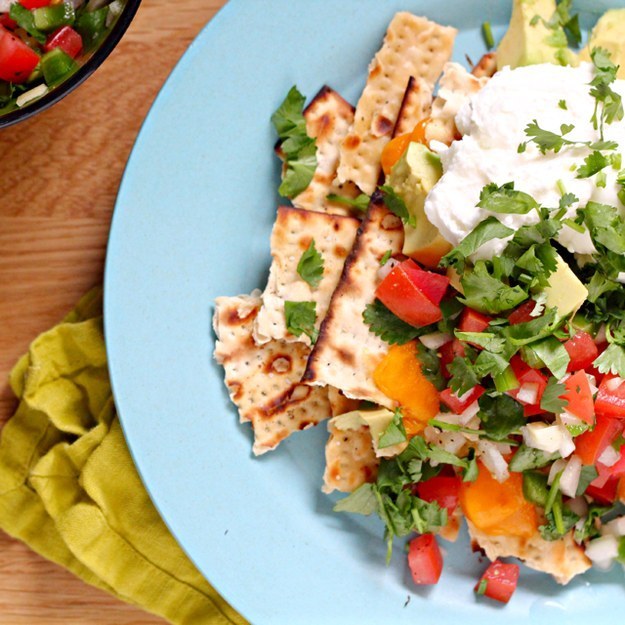
7. Matzah Nachos

Matzah Nachos
Amy Kritzer / Via whatjewwannaeat.com
Machos!! Find the recipe here.

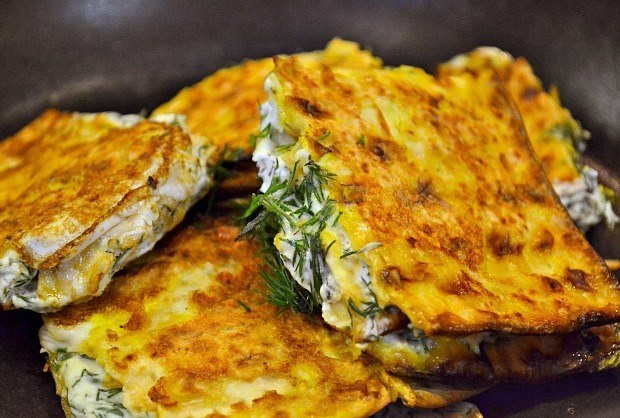
8. French Toast Matzah with Dill Cream Cheese

French Toast Matzah with Dill Cream Cheese
Seven Bites / Via joyofkosher.com
Perfect for Passover brunch! Find the recipe here.

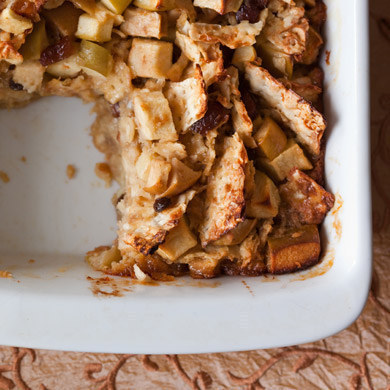
9. Apple Matzah Kugel

Apple Matzah Kugel
ABIGAIL KIRSCH / Via epicurious.com
Find the recipe for this apple kugel here.

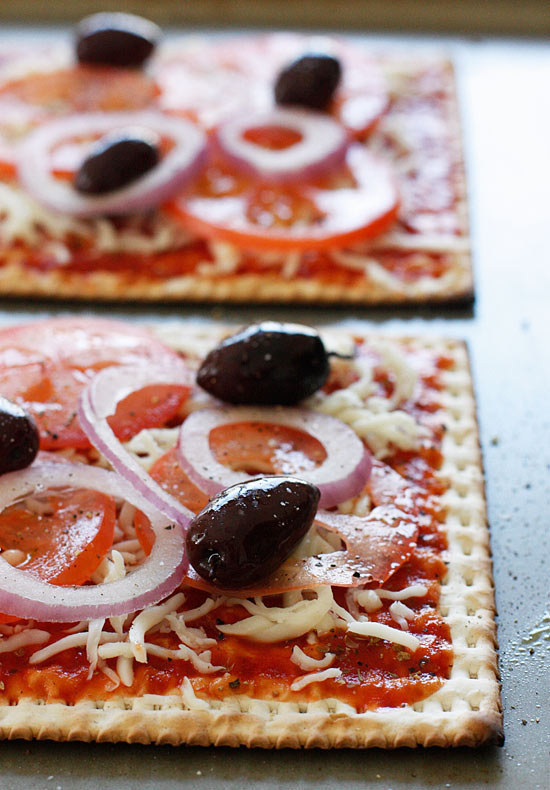
10. Matzah Pizza

Matzah Pizza
skinnytaste / Via skinnytaste.com
Don’t forget the toppings! Find the recipe here.

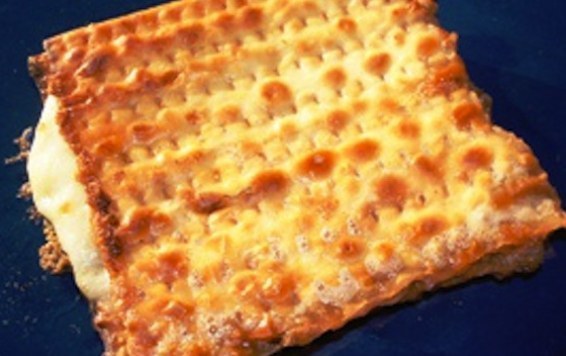
11. Drunken Passover Grilled Cheese

Drunken Passover Grilled Cheese
Julie Bien / Via jewishjournal.com
Because who doesn’t love grilled cheese? Find the recipe here?

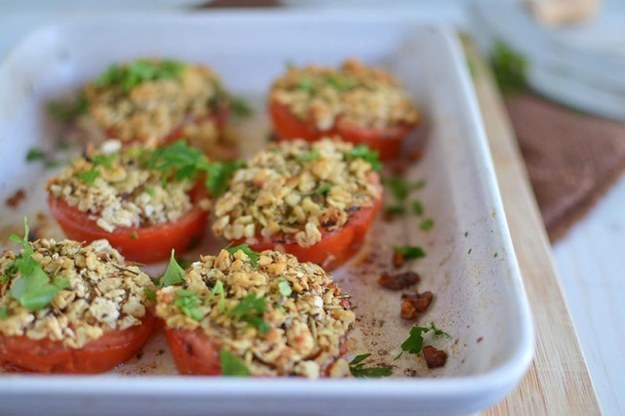
12. Matzah and Herb Stuffed Tomatoes

Matzah and Herb Stuffed Tomatoes
Amy Kritzer / Via whatjewwannaeat.com
They almost look too pretty to eat! Find the recipe here.

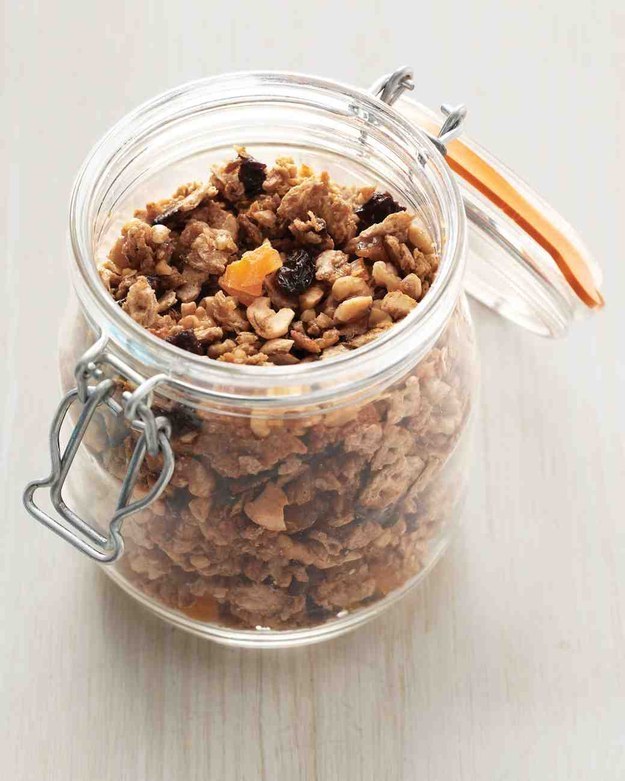
13. Matzah Granola

Matzah Granola
marthastewart / Via marthastewart.com
Great for breakfast on-the-go! Find the recipe here.

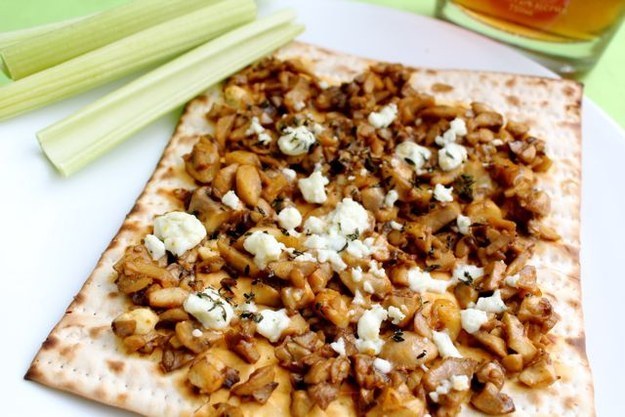
14. Buffalo Mushroom Matzah Pizza

Buffalo Mushroom Matzah Pizza
Amy Kritzer / Via whatjewwannaeat.com
Super yummy. Find the recipe here.

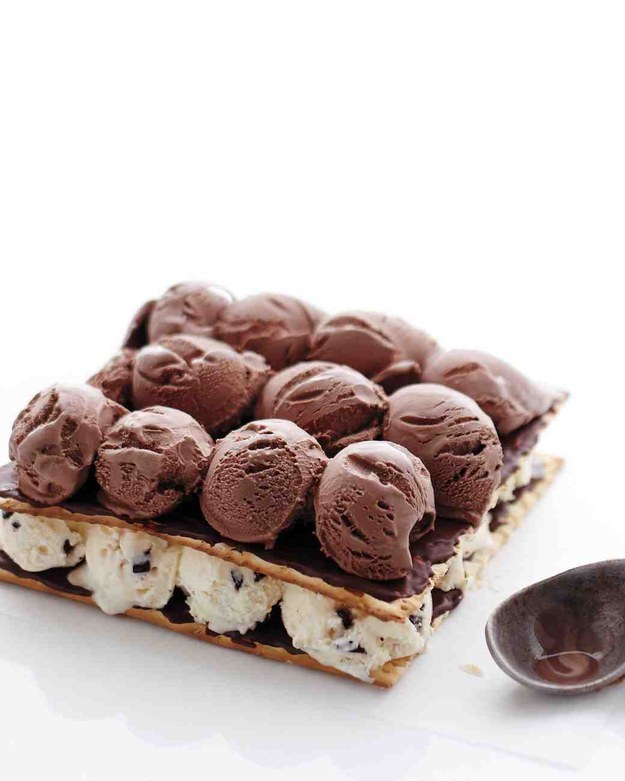
15. Matzah Chocolate-Mint Ice Cream Cake

Matzah Chocolate-Mint Ice Cream Cake
marthastewart / Via marthastewart.com
Find the recipe here.

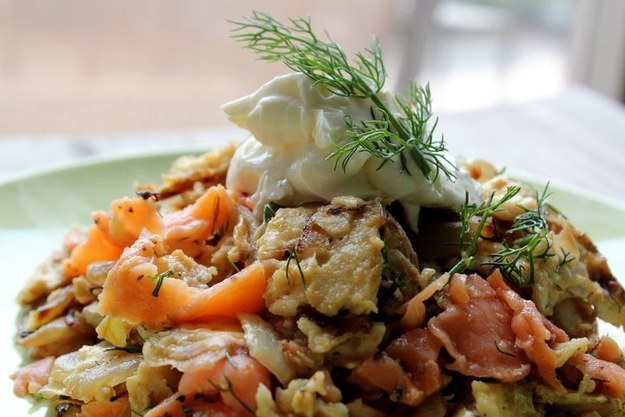
16. Matzah Brei with Lox and Schmear

Matzah Brei with Lox and Schmear
Amy Kritzer X / Via whatjewwannaeat.com
Because it wouldn’t be a Jewish holiday without some lox! Find the recipe here.

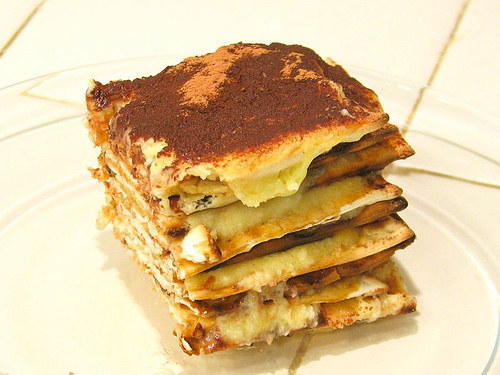
17. Tiramatzah

Tiramatzah
Windell / Via evilmadscientist.com
Matzah plus tiramisu? Yes, please! Find the recipe here.

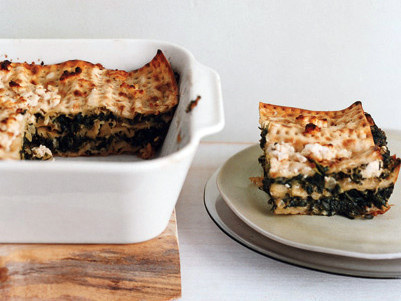
18. Spinach and Matzah Pie

Spinach and Matzah Pie
MELISSA ROBERTS / Via epicurious.com
A perfect Passover dinner! Find the recipe here.

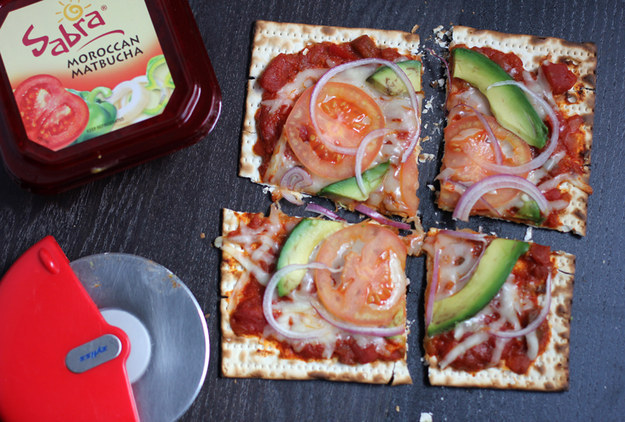
19. Avocado and Tomato Matzah Pizza

Avocado and Tomato Matzah Pizza
Jamie Geller / Via joyofkosher.com
Matzah Pizza FTW! Find the recipe here.

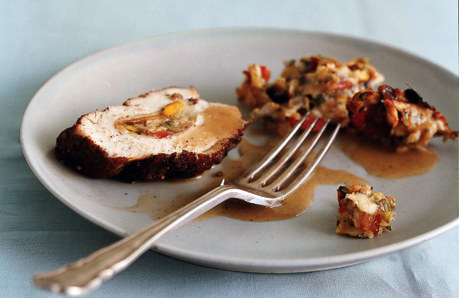
20. Spiced Matzah Stuffed Chicken Breasts

Spiced Matzah Stuffed Chicken Breasts
MELISSA ROBERTS / Via epicurious.com
Find the recipe here.

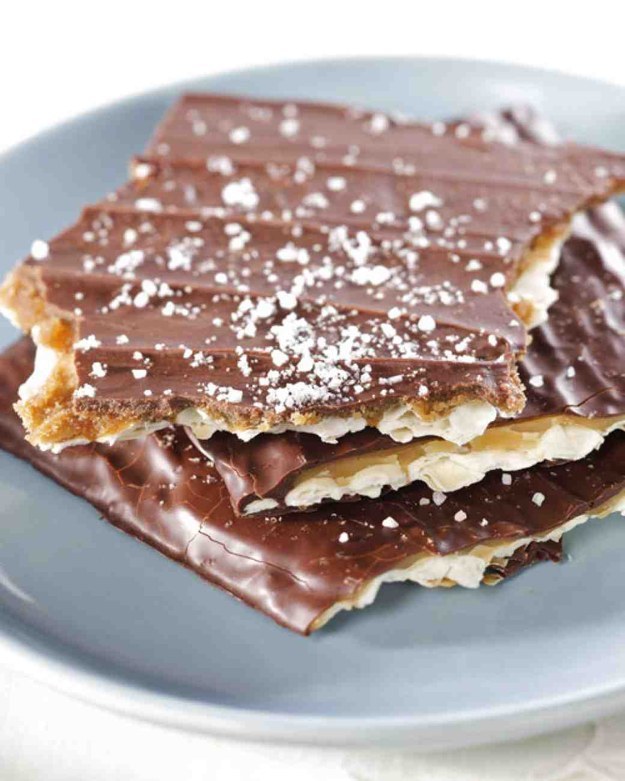
21. Homemade Toffee-Chocolate Matzah

Homemade Toffee-Chocolate Matzah
marthastewart / Via marthastewart.com
A great Passover treat! Find the recipe here.

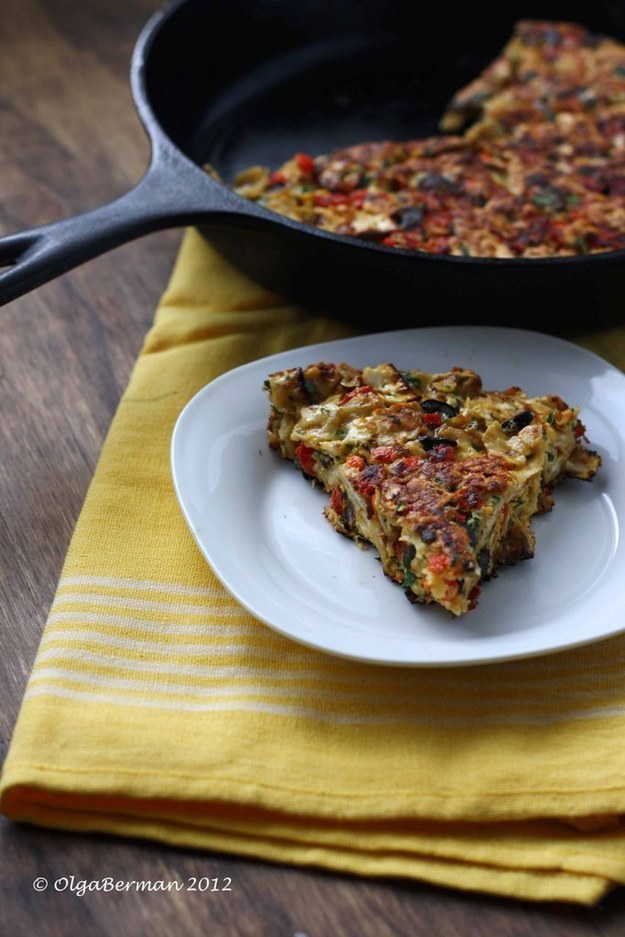
22. Matzah Brei with Roasted Peppers, Olives & Parsley

Matzah Brei with Roasted Peppers, Olives & Parsley
mangotomato / Via mangotomato.com
Matzah brei goes savory! Find the recipe here.

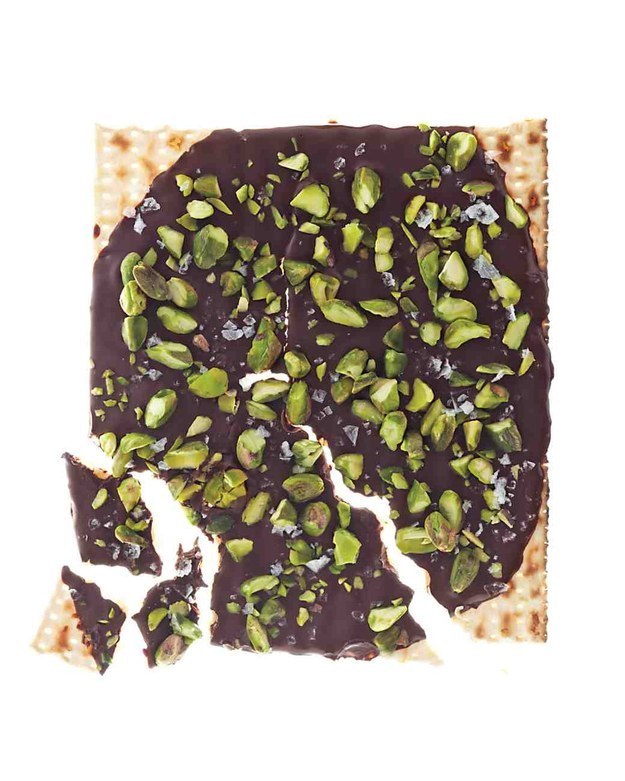
23. Pistachio, Honey, and Sea Salt Matzah

Pistachio, Honey, and Sea Salt Matzah
marthastewart / Via marthastewart.com
The perfect balance of salty and sweet. Find the recipe here.

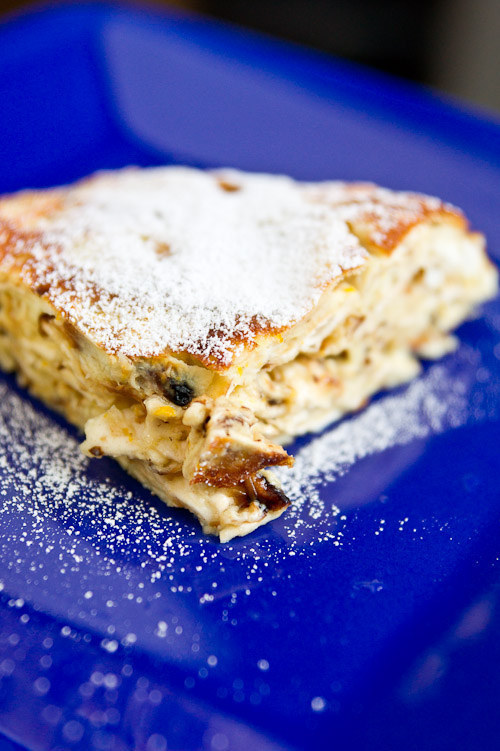
24. Lemon Ricotta Matzah Brei

Lemon Ricotta Matzah Brei
Marc / Via norecipes.com
A refreshing twist on matzah brei! Find the recipe here.

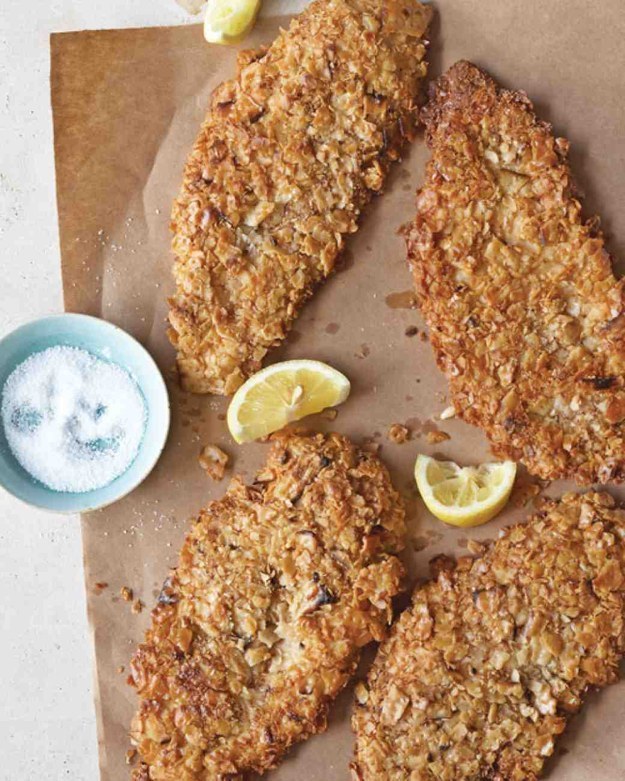
25. Matzah Crusted Chicken Cutlets

Matzah Crusted Chicken Cutlets
marthastewart / Via marthastewart.com
Give it a little crunch! Find the recipe here.

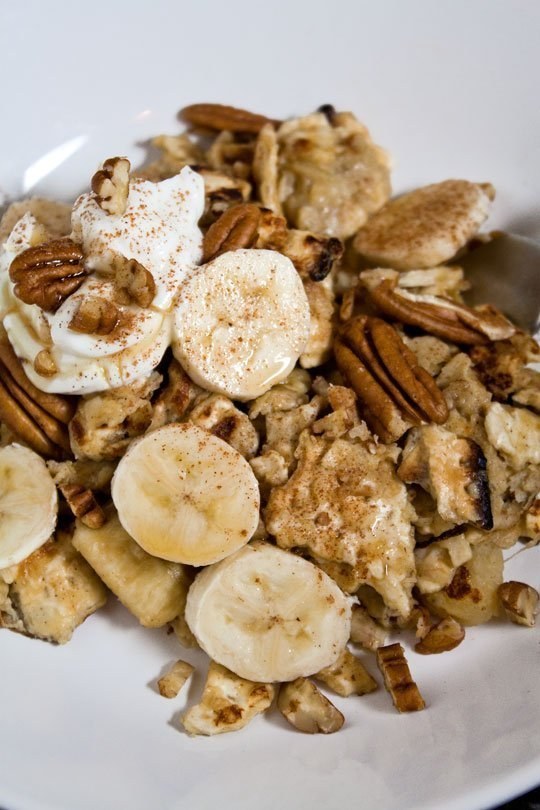
26. Matzah Brei with Bananas and Pecans

Matzah Brei with Bananas and Pecans
thekitchn / Via thekitchn.com